
Insulation Tips to Enhance Renewable Energy Efficiency
In a world increasingly focused on sustainability, enhancing the efficiency of renewable energy systems is more important than ever. One of the most effective ways to achieve this is through proper insulation. Insulation not only helps maintain comfortable indoor temperatures but also reduces energy consumption, making renewable energy systems more effective. In this blog post, we will explore practical insulation tips that can significantly enhance the efficiency of renewable energy solutions in your home or business.
Understanding the Importance of Insulation
Before diving into specific tips, it’s essential to understand why insulation is crucial for energy efficiency. Proper insulation acts as a barrier to heat flow, keeping your home warm in the winter and cool in the summer. This means that your heating and cooling systems, including those powered by renewable energy sources like solar panels or geothermal systems, don’t have to work as hard to maintain comfortable temperatures.
Benefits of Effective Insulation
Energy Savings: Well-insulated buildings can save up to 20% on heating and cooling costs.
Comfort: Insulation helps maintain a consistent indoor temperature, enhancing comfort.
Environmental Impact: Reducing energy consumption lowers your carbon footprint, supporting sustainability efforts.
Increased Property Value: Energy-efficient homes are often more attractive to buyers.
Types of Insulation Materials
When considering insulation, it’s important to choose the right materials. Here are some common types of insulation:
Fiberglass Insulation
Fiberglass insulation is one of the most popular choices due to its affordability and effectiveness. It comes in batts, rolls, and loose-fill forms. Fiberglass is non-combustible and resistant to moisture, making it suitable for various applications.
Foam Board Insulation
Foam board insulation provides a high insulating value with relatively thin layers. It is ideal for insulating basement walls, exterior walls, and roofs. Foam board is lightweight and easy to install, making it a favorite among DIY enthusiasts.
Spray Foam Insulation
Spray foam insulation expands on application, filling gaps and cracks effectively. It provides an excellent air seal, making it one of the most efficient insulation options available. However, it can be more expensive than other types.
Cellulose Insulation
Made from recycled paper products, cellulose insulation is an eco-friendly option. It is treated with fire retardants and is effective at reducing air leaks. Cellulose is often used in attics and wall cavities.
Insulation Tips for Enhanced Efficiency
Now that we understand the importance of insulation and the types available, let’s explore specific tips to enhance the efficiency of your renewable energy systems.
1. Conduct an Energy Audit
Before making any insulation improvements, conduct an energy audit to identify areas where heat loss occurs. This can be done through professional services or DIY methods, such as using a thermal camera to spot cold spots in your home.
2. Seal Air Leaks
Air leaks can significantly reduce the effectiveness of insulation. Common areas for leaks include:
Windows and doors
Electrical outlets
Ductwork
Attics and basements
Use caulk or weatherstripping to seal these gaps. This simple step can dramatically improve your insulation’s performance.
3. Insulate Attics and Roofs
Attics are often the largest source of heat loss in a home. Ensure your attic is properly insulated with at least 10 to 14 inches of insulation material. Consider using a combination of fiberglass batts and spray foam for optimal results.

4. Insulate Walls
If your walls are not insulated, consider adding insulation to improve energy efficiency. This can be done by removing drywall and installing batts or using blown-in cellulose insulation.
5. Insulate Floors
Floors, especially those above unheated spaces like garages or crawl spaces, should be insulated. Use fiberglass batts or foam board insulation to prevent heat loss through the floor.
6. Upgrade Windows
Old, single-pane windows can be a significant source of heat loss. Consider upgrading to double or triple-pane windows, which provide better insulation. If replacement isn’t an option, use window film or thermal curtains to improve efficiency.
7. Use Radiant Barriers
In warmer climates, radiant barriers can be effective in reducing heat gain. These reflective materials are installed in attics to reflect radiant heat away from living spaces, keeping homes cooler.
8. Insulate Ductwork
If you have a forced-air heating or cooling system, ensure that your ductwork is insulated. Uninsulated ducts can lose a significant amount of energy, especially if they run through unconditioned spaces.
9. Consider Renewable Energy Systems
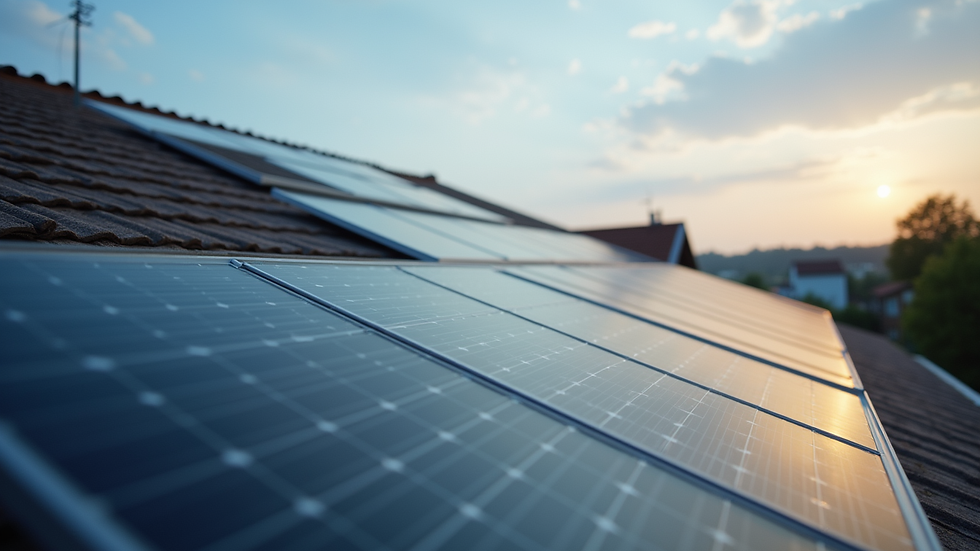
When upgrading insulation, consider how it will work with your renewable energy systems. For example, if you install solar panels, ensure your home is well-insulated to maximize the benefits of the energy produced.
10. Regular Maintenance
Regularly check your insulation and sealing to ensure they remain effective. Over time, materials can settle or degrade, leading to reduced efficiency.
Conclusion
Proper insulation is a critical component in enhancing the efficiency of renewable energy systems. By following these tips, you can significantly reduce energy consumption, lower your utility bills, and contribute to a more sustainable future. Remember, investing in insulation not only benefits your wallet but also the environment. Take action today to improve your home’s energy efficiency and make the most of your renewable energy systems.


Comments