
Why Choose Renewable Solutions for Your Home
In an era where climate change is a pressing concern, many homeowners are seeking ways to reduce their carbon footprint and embrace sustainable living. One of the most effective strategies is to invest in renewable solutions for your home. These solutions not only contribute to a healthier planet but can also lead to significant savings on energy bills. In this blog post, we will explore the various renewable energy options available for homeowners, the benefits of adopting these solutions, and practical steps to make the transition.
Understanding Renewable Energy
Renewable energy comes from natural sources that are constantly replenished. Unlike fossil fuels, which can take millions of years to form and are finite, renewable energy sources are sustainable and have a lower environmental impact. The most common types of renewable energy include:
Solar Energy: Captured through solar panels, this energy harnesses sunlight to generate electricity or heat.
Wind Energy: Generated by wind turbines, this energy converts wind currents into electricity.
Hydropower: Utilizes flowing water to produce electricity, often through dams or water turbines.
Geothermal Energy: Extracts heat from the Earth’s core for heating and electricity generation.
Biomass: Organic materials, such as plant and animal waste, are converted into energy.
The Benefits of Renewable Solutions
Environmental Impact
One of the most compelling reasons to choose renewable solutions is their positive impact on the environment. By utilizing renewable energy sources, homeowners can significantly reduce greenhouse gas emissions and decrease reliance on fossil fuels. This shift contributes to cleaner air and water, helping to combat climate change and protect ecosystems.
Financial Savings
Investing in renewable energy can lead to substantial long-term savings. While the initial installation costs may be higher than traditional energy sources, the ongoing savings on energy bills can offset these expenses. For example, solar panels can reduce or even eliminate electricity bills, depending on the size of the system and local energy rates. Additionally, many governments offer incentives, tax credits, and rebates for homeowners who invest in renewable energy solutions, further enhancing financial benefits.
Energy Independence
Renewable energy sources provide homeowners with greater control over their energy consumption. By generating your own electricity, you become less reliant on utility companies and less vulnerable to fluctuating energy prices. This independence can be particularly beneficial during energy crises or natural disasters when traditional energy sources may be disrupted.
Increased Property Value
Homes equipped with renewable energy solutions often have higher property values. Potential buyers are increasingly looking for energy-efficient homes that offer lower utility costs and sustainable living options. Installing solar panels or other renewable technologies can make your home more attractive in the real estate market.
Popular Renewable Solutions for Your Home
Solar Panels
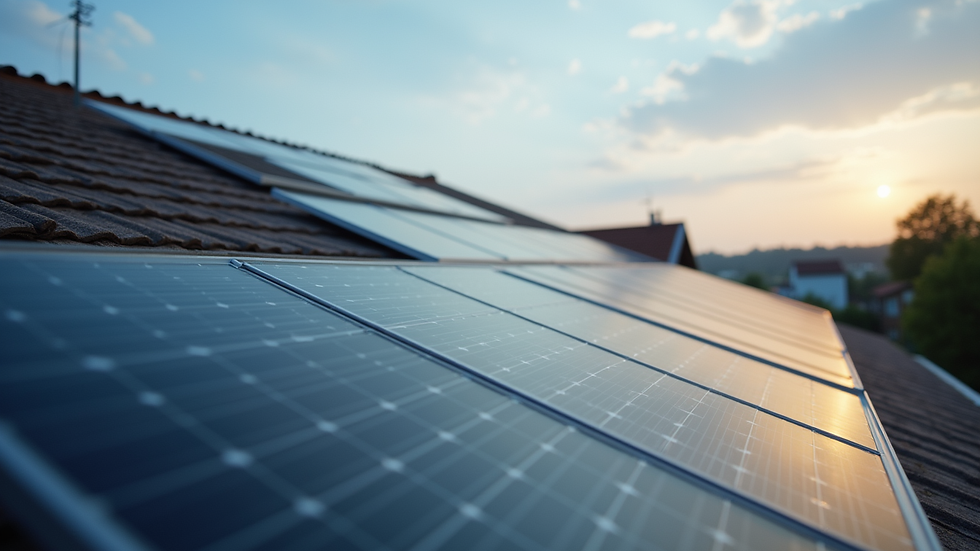
Solar panels are one of the most popular renewable energy solutions for homeowners. They convert sunlight into electricity, which can be used to power your home or stored for later use. Here are some key points to consider:
Types of Solar Panels: There are two main types of solar panels: monocrystalline and polycrystalline. Monocrystalline panels are more efficient but typically more expensive, while polycrystalline panels are more affordable but slightly less efficient.
Installation: Solar panel installation requires a professional assessment to determine the best placement and system size for your home. Many companies offer financing options to help homeowners manage upfront costs.
Maintenance: Solar panels require minimal maintenance, primarily cleaning to remove dirt and debris. Most systems come with warranties that last 20-25 years.
Wind Turbines
If you live in an area with consistent wind, a small wind turbine can be an excellent renewable energy solution. Here’s what you need to know:
Types of Wind Turbines: There are two types of wind turbines: horizontal-axis and vertical-axis. Horizontal-axis turbines are more common and efficient, while vertical-axis turbines are easier to maintain and can operate in turbulent winds.
Installation Requirements: Wind turbines require sufficient space and wind speed to be effective. A professional assessment can help determine if your property is suitable for a wind turbine.
Regulations: Check local regulations and zoning laws, as some areas have restrictions on wind turbine installations.
Geothermal Heating and Cooling
Geothermal systems use the Earth’s stable temperature to heat and cool your home. Here’s how they work:
How It Works: A geothermal heat pump circulates fluid through underground pipes, absorbing heat from the ground in winter and transferring heat back into the ground in summer.
Installation: Geothermal systems require significant upfront investment and space for underground loops. However, they can lead to substantial energy savings over time.
Efficiency: Geothermal systems are highly efficient, often achieving efficiency ratings of 300-600%, meaning they produce three to six times more energy than they consume.
Biomass Heating Systems
Biomass heating systems use organic materials, such as wood pellets or agricultural waste, to generate heat. Here are some considerations:
Types of Biomass Systems: Options include pellet stoves, wood stoves, and biomass boilers. Each system has different efficiency levels and fuel requirements.
Sustainability: Biomass is considered renewable as long as the materials are sourced sustainably. However, it’s essential to ensure that the biomass used does not contribute to deforestation or other environmental issues.
Carbon Neutrality: When burned, biomass releases carbon dioxide, but the plants used to create it absorb CO2 during their growth, making it a more sustainable option compared to fossil fuels.
Making the Transition to Renewable Solutions
Assess Your Energy Needs
Before investing in renewable energy solutions, assess your current energy consumption. Review your utility bills to understand your usage patterns and identify areas where you can reduce consumption. This assessment will help you determine the size and type of renewable system that best fits your needs.
Research Incentives and Financing Options
Many governments and local utilities offer incentives for homeowners who invest in renewable energy. Research available tax credits, rebates, and financing options to help offset installation costs. Some companies also offer leasing options, allowing you to install solar panels with little to no upfront cost.
Choose the Right Installer
Selecting a qualified installer is crucial for the success of your renewable energy project. Look for companies with experience, positive reviews, and proper certifications. Obtain multiple quotes and ask for references to ensure you choose a reputable installer.
Monitor and Maintain Your System
Once your renewable energy system is installed, monitor its performance regularly. Many systems come with monitoring tools that allow you to track energy production and consumption. Schedule routine maintenance to ensure your system operates efficiently and effectively.
Conclusion
Choosing renewable solutions for your home is a powerful way to contribute to a sustainable future while enjoying financial benefits and increased energy independence. By exploring options like solar panels, wind turbines, geothermal systems, and biomass heating, you can find the right fit for your lifestyle and energy needs. As you embark on this journey, remember that every small step counts toward creating a cleaner, greener planet. Take action today and invest in renewable energy solutions that will benefit both your home and the environment for years to come.


Comments